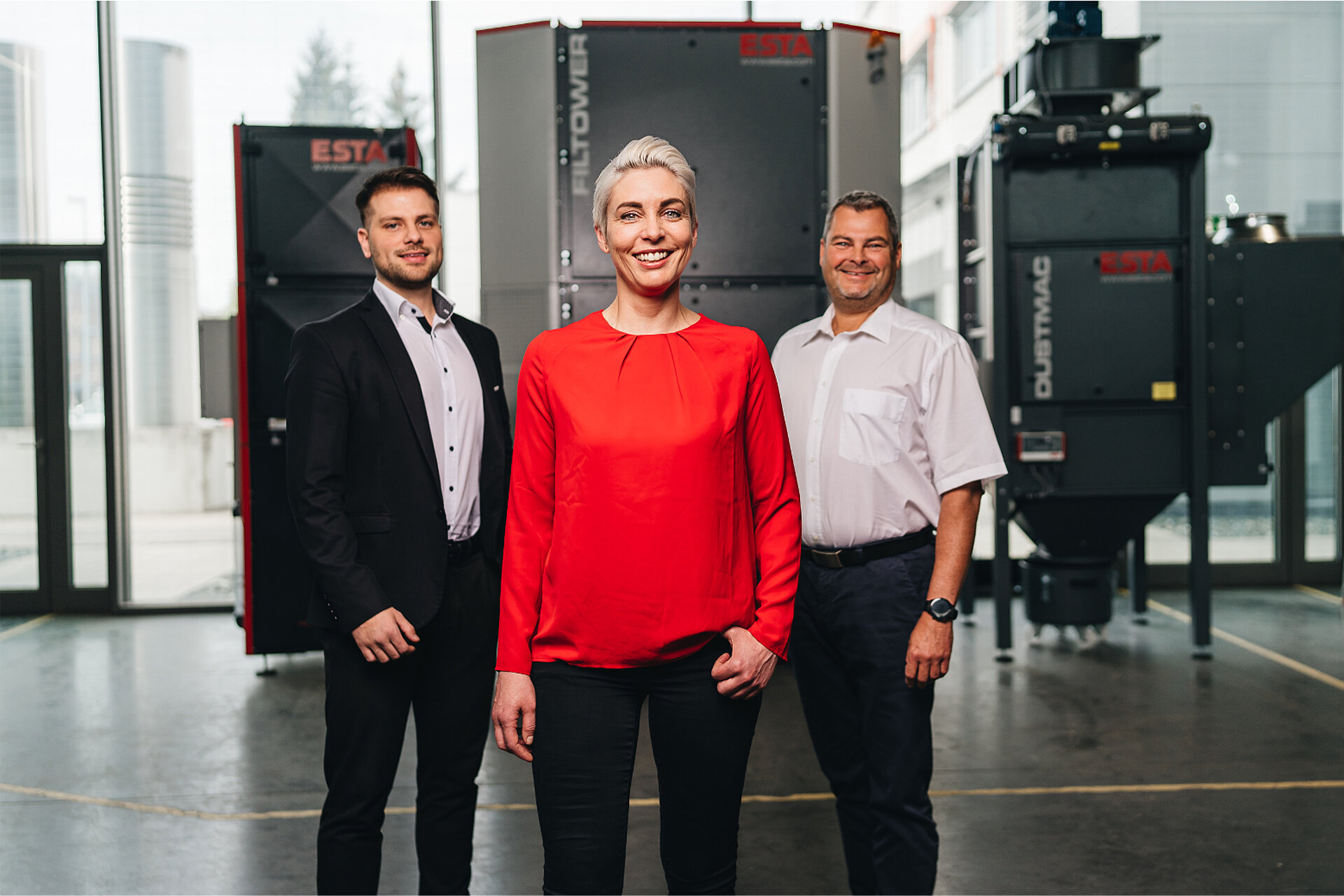
DRY SEPARATOR OR WET SEPARATOR?
Dry dust separators and wet dust separators are suitable for the removal of dusts. The design of the optimal extraction system is based on individual factors such as process, installation situation, external influences, etc. This results in various possible solutions that may require additional pre-separators or fire and explosion protection measures.
DRY SEPARATOR
WHEN DO I USE A DRY SEPARATOR?
A dry separator is suitable for work processes such as grinding, polishing, deburring, welding, soldering, laser cutting, sawing, separating, transfer and mixing. It is used for extracting dry, free-flowing, long-fibre, sticky, flammable dusts, etc. Dry dust separation systems are available with various certification marks for hazardous and carcinogenic dusts in the recirculation / exhaust air system.
How does a dry separator work?
A dry separator cleans dust-laden air using a dry filter system. First, the air flow passes through a pre-separator or spark arrestor, where coarse particles and sparks are separated. The air then reaches the filter elements – such as cartridge, cassette or bag filters – which reliably capture the fine particles. Depending on the application, the cleaned air can be returned as recirculated air or exhaust air. The separated dust falls into dust drawers or collection containers and can be easily disposed of. Fully automatic filter cleaning ensures consistently high performance. ESTA cleans the filters particularly efficiently with its innovative DynamicPulse technology: precise bursts of compressed air gently remove the dust layer, reducing compressed air consumption by up to 50% and extending the service life of the filter media. This keeps the system energy-efficient and low-maintenance – even in demanding applications.
WHAT ARE THE ADVANTAGES OF A DRY SEPARATOR AS OPPOSED TO A WET SEPARATOR?
- FU application possible (energy saving)
- Outdoor installation
- Various discharge options
- Price (cheaper than wet separator)
- Various safety systems (spark pre-separator, ABC extinguishing system, etc.)
- Flexibility
- Easy handling (emptying)
- Various pre-separation options possible
- Can be used for small amounts of dust through to large quantities
- Different filter materials possible
- ATEX versions possible
- Very high degree of separation
- Simple dust disposal
WHAT ARE THE DISADVANTAGES OF A DRY SEPARATOR COMPARED TO A WET SEPARATOR?
- Safety systems are cost-intensive (for example ABC extinguishing system)
- Wearing parts (follow-up filter costs)
- Fire risk
SUITABLE PRODUCTS
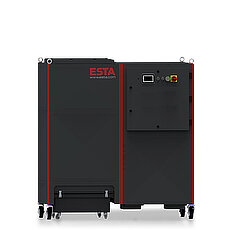
DUSTOMAT DRY – Size M
Dust extractors for applications with an air flow rate of up to 6,400 m³/h. Customisable and suitable for up to six extraction points.
Product details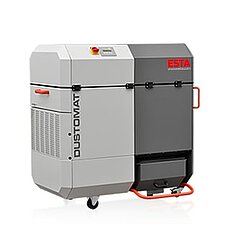
Dustomat 4
Energy-efficient all-rounder: Can be used as a mobile dust extractor for dust and shavings or as a welding fume filter for welding fume.
Product details
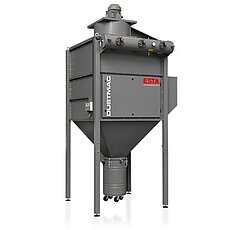
DUSTMAC P series
Cartridge filter systems for extraction of dry, granulated and non-explosive dusts.
Product details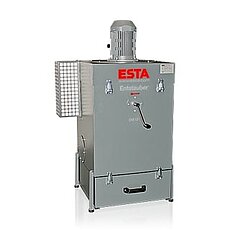
WET SEPARATOR
WHEN DO I USE A WET SEPARATOR?
A wet separator is suitable for processes with a high number of flying sparks, when processing aluminium dusts (DGUV Rule 109-001) and for the extraction of explosive, sticky, damp and flammable dusts. Typical processes include grinding, polishing, deburring, sawing, cutting, transferring and mixing. Wet separators are available as mobile as well as stationary units.
How does a wet separator work?
A wet separator uses water to safely remove dust, sparks and combustible particles from the air. The dust-laden air flows into a water vortex chamber or hydrocyclone. There, high flow velocities create an intense water vortex that reliably wets and binds the particles. The sparks are immediately extinguished in the water. The pre-cleaned air flow then passes through a droplet separator. This removes moisture from the air. Depending on the application, the air stream passes through further filter stages such as a dust class M filter cartridge or a HEPA H14 filter. The substances separated in the water collect in the container and can be easily discharged via a drain tap. The process minimises the risk of fire and enables the safe separation of even demanding dusts such as aluminium or titanium.
WHAT ARE THE ADVANTAGES OF A WET SEPARATOR COMPARED TO A DRY SEPARATOR?
- ESTA wet separators with type test for the extraction of aluminium dusts are available (DGUV Rule 109-001) = no further chargeable trade association tests necessary!
- Inexpensive solution for aluminium dusts compared to dry extraction
- The risk of fire is reduced to a minimum (dust and ignition sources are wetted with water)
- No filter wear (filter medium = water)
WHAT ARE THE DISADVANTAGES OF A WET SEPARATOR COMPARED TO A DRY SEPARATOR?
- High humidity in the exhaust air (due to circulating air)
- Risk of rust on components of the wet separator = more cleaning work required
- FU operation very conditionally possible (water vortex must be generated for separation)
- Outdoor installation associated with higher costs / work (risk of freezing!)
- Flooding of dusts (e. g. plastic) possible
- Lower degree of separation compared with the dry system
- Dust disposal
SUITABLE PRODUCTS
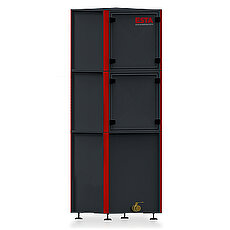
DUSTOMAT HYDRO
Energy-efficient wet separator ideal for welding fumes as well as metal dusts and work processes with flying sparks.
Product details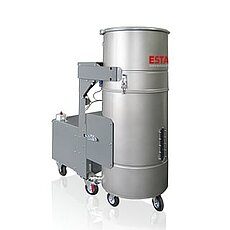
CONTACT
WE ARE HAPPY TO PROVIDE A PERSONAL CONSULTATION
We can adapt our exhaust installations to your needs. Tailor-made, modular and individual. Ask us!